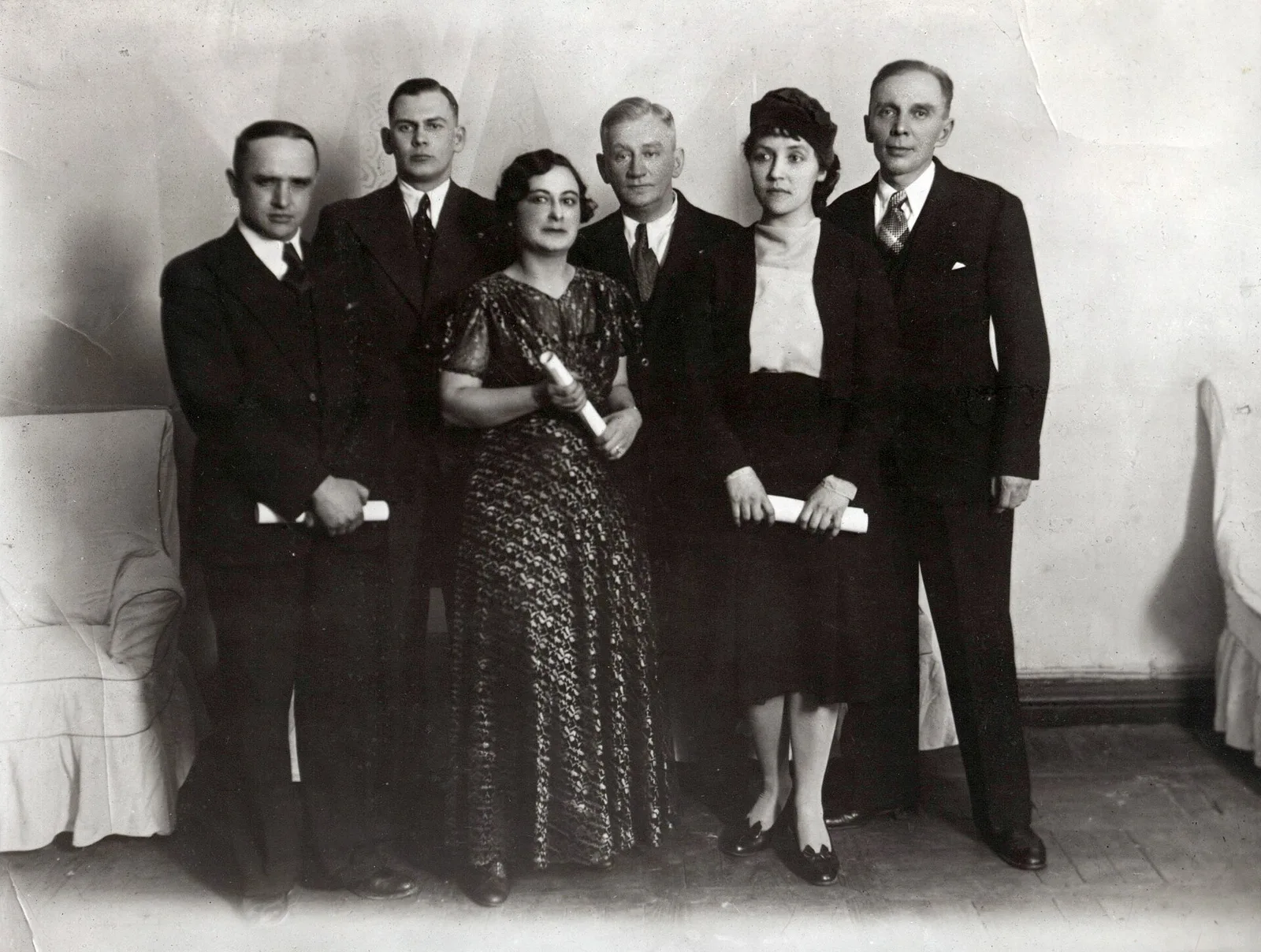
Harbin's Russian heritage is often sold as a decorative theme: onion domes, pastel facades, a restaurant with balalaika music. The real story is more interesting. The city grew from a railway construction camp into a Russian-administered boomtown, then absorbed waves of refugees after 1917, and later became a Chinese industrial city. The buildings are the visible layer. The rest takes a little reading.
In short
Start at Saint Sophia Cathedral and Central Street, then look beyond the postcard. The Chinese Eastern Railway, the Russian émigré community, and the later Chinese history explain why the architecture looks the way it does. The Heilongjiang Provincial Museum provides the wider context.
The railway came first
Harbin existed as a small settlement before the Chinese Eastern Railway, but the railway made it a city. Russia began building the line in 1898 as a shortcut across Manchuria to Vladivostok. Harbin became the administrative centre for the railway zone, with Russian engineers, merchants, and officials.
The railway also brought a multinational population: Russians, Jews, Poles, Japanese, Koreans, and Chinese migrants. The city's famous architecture is a product of that mixture, not a single national style.
The émigré years
After the 1917 revolution, Harbin became a refuge for White Russians and other emigres. The city had Russian schools, newspapers, churches, and cafés. That world faded after the 1930s, the Japanese occupation, and the later departure of most foreign residents.
Saint Sophia Cathedral, now a museum, is the most visible monument. Central Street's facades show the commercial architecture of the period. But much of the old city has been demolished, and the surviving buildings are a fragment, not a preserved district.
Where to look
Start with Saint Sophia Cathedral and Central Street. Walk the side streets around Hongbo for surviving facades, and visit the Heilongjiang Provincial Museum for the broader history.
The railway city note explains how the network shaped the city. The food guide covers one edible legacy. Avoid the staged Russian theme parks if you want the real thing; the city itself has more.
A caution about 'authenticity'
Harbin's heritage is contested, layered, and incomplete. Many 'Russian' restaurants are Chinese-owned and cater to tourists; some are good, some are not. The architecture is real, but the narrative around it is often simplified for marketing.
That does not make the buildings less interesting. It means you should read a little before you go, and treat the city as a place with a complicated past rather than a theme park. The field notes are a place to start.
Note
The architecture is real; the story is more layered than the postcards. Read first, then walk.
Next in the manual
04 linksField desk / direct line
Not sure this fits your trip?
Send the dates, the group, and what you are deciding between. The field desk will tell you what to cut and what to keep.
Independent advice. No bookings, no commissions, no visa service.