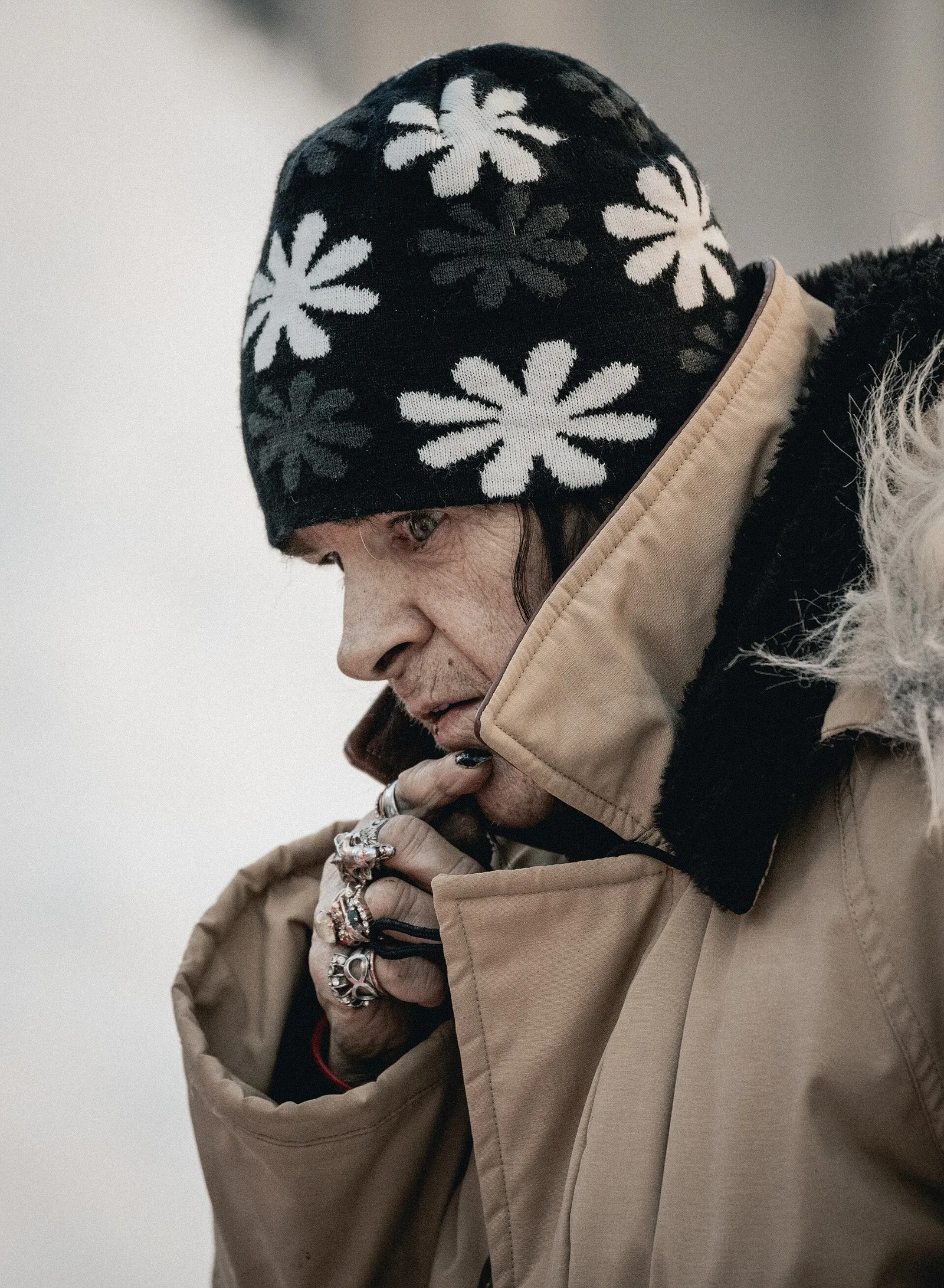
Harbin's winter is dry and still on many days, which makes -20°C more bearable than a damp -5°C in Europe. But when the wind picks up, exposed skin and poor layering turn a pleasant walk into a short, painful one. The goal is not to wear the thickest coat you own. It is to build a system that traps warmth, blocks wind, and lets you adjust when you go indoors.
In short
Wear a moisture-wicking base layer, an insulating mid layer, and a windproof outer layer. Cover your extremities. Avoid cotton next to the skin, leave room for circulation, and plan to remove a layer indoors. The cold kit builder turns this into a packing list for your temperature and activity.
The three layers
The base layer sits against your skin and moves moisture away. Merino wool or a synthetic athletic fabric works; cotton is the worst choice because it holds sweat and cools you down. The mid layer traps heat: fleece, down, or a synthetic puffy jacket. The outer layer blocks wind and snow, and should be roomy enough to fit over the other two without compressing the insulation.
For most winter days in Harbin, a merino base, a fleece or light down mid, and a windproof down parka is enough. At -30°C or with strong wind, add a second mid layer or a heavier parka. The layers should be loose enough to trap air but not so baggy that cold air circulates.
The parts people forget
Your head, neck, hands, and feet lose heat quickly and are the first to hurt. A warm hat that covers the ears, a neck gaiter, insulated gloves or mittens, and boots with a thick sole and room for wool socks are not optional. Mittens are warmer than gloves; if you need your fingers, wear thin liner gloves inside.
Snow pants or insulated trousers matter more than most visitors expect, especially at the ice park. Jeans are a poor choice: they get wet, stiff, and cold. A thermal legging under waterproof trousers is a good compromise.
Fit and circulation
Tight boots, tight gloves, and tight waistbands reduce circulation and make you colder. Leave room for a wool sock and wiggle your toes. Do not wear two pairs of thick socks if they compress your feet; one good pair is better. The same applies to gloves: a tight fit is a cold fit.
Indoors, Harbin's heating is fierce. Remove layers before you overheat, and put them back on before you go outside. Sweating in a mall and then walking into -20°C is a recipe for a miserable evening.
What not to bring
Do not rely on a fashion coat, a hoodie, or a pair of sneakers. Do not wear cotton leggings as a base layer. Do not buy a cheap puffer that compresses to nothing; it will not trap enough air. If you are travelling from a warm country, buy or rent proper gear before you arrive, or budget for a shopping stop in Harbin.
A down jacket with a fill power of 600–800 and a windproof shell is a good benchmark. If you run cold, choose more insulation rather than more layers of cotton. The extremities guide covers hands, feet, and face in detail.
Verdict
Dry base, warm mid, windproof shell, and room to move. The fit matters as much as the brand.
Next step / packing
Turn this guide into a checklist for your dates, group, and the conditions you expect.
Build your cold kitNext in the manual
04 linksField desk / direct line
Not sure this fits your trip?
Send the dates, the group, and what you are deciding between. The field desk will tell you what to cut and what to keep.
Independent advice. No bookings, no commissions, no visa service.